

Mobile Vet Melbourne
Routine Dental Care for Dogs and Cats
Why dental health matters
Oral health is an essential part of your pet’s overall wellbeing, yet it is often overlooked. Disease of teeth and gums in cats and dogs is one of the most common health problems we see as vets. By the age of three, many dogs and cats already show signs of gum disease. Just like people, dogs and cats can develop plaque, tartar, gum disease, and painful infections if their teeth are not properly cared for. Paying attention to your pets oral hygiene and using strategies to keep their teeth clean can prevent pain, improve quality of life, and even help pets live longer.
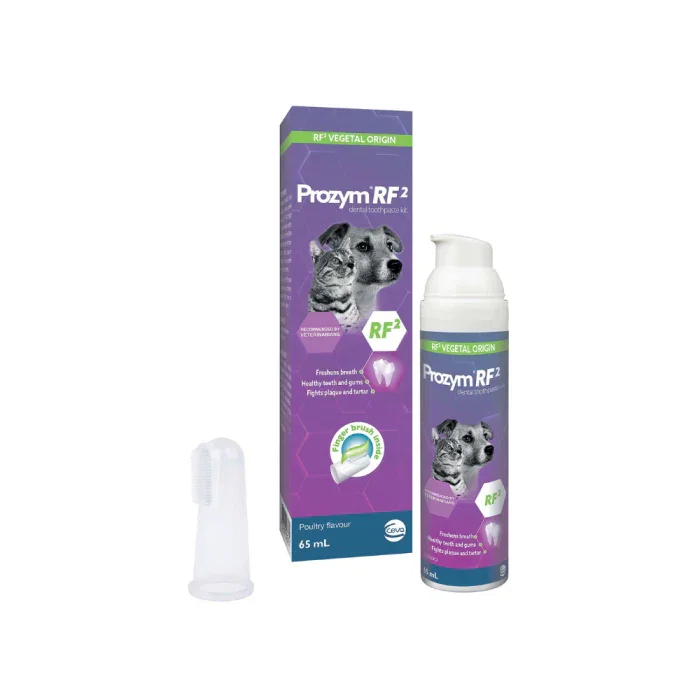
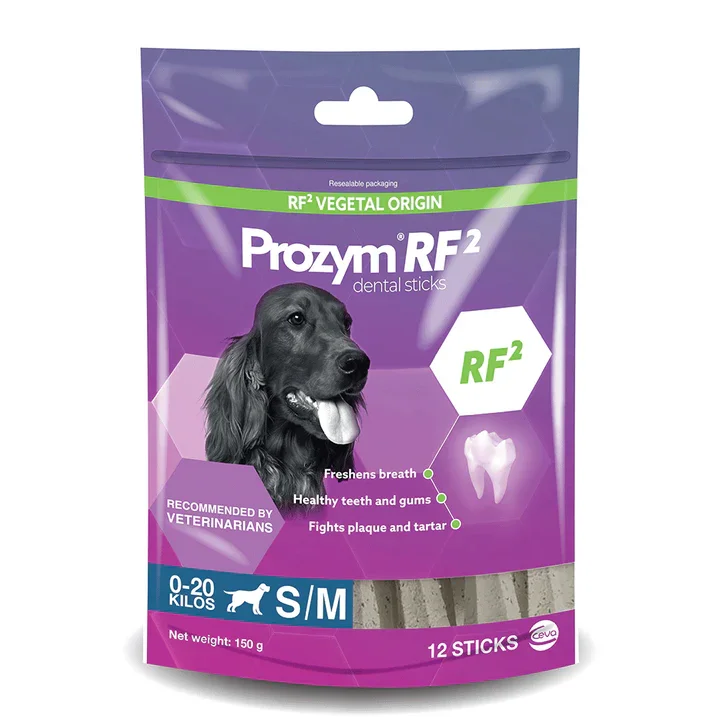
Dental Products We Recommend
We only recommend products that we know work.


Signs of Dental Problems
Because animals are very good at hiding pain, dental disease can go unnoticed for a very long time. Some common signs that your dog or cat may have dental issues include:
Bad breath
Yellow or brown tartar on the teeth
Red, swollen, or bleeding gums
Drooling more than usual
Difficulty chewing or dropping food
Pawing at the mouth
Reduced appetite
Swelling around the face or jaw
If you notice any of these signs, a dental check by a vet is needed to work out the cause of the problem.
Dental Care in Dogs
Preventative oral hygiene in pets involves a combination of regular veterinary checks and tooth cleaning. Brushing teeth is not the only way to keep dogs teeth clean— in fact, it may not even be the most effective way!
#1 most effective way to clean dog teeth is feeding RAW BONES REGULARLY
The action of chewing bones naturally brushes off plaque and bacteria from the tooth surface and when fed twice a week, does an excellent job cleaning the teeth. As a vet, I can always pick the patients who get to chew bones regularly because they have beautiful clean teeth!
What we DO recommend
RAW only, never cooked
Ribcage (lamb, beef, kangaroo etc.)
Spines (lamb, beef, kangaroo etc.)
Roo tails (lamb, beef, kangaroo etc.)
Chicken necks/wing (cats and dogs <7kg only)
What we DON’T recommend
Cooked bones
Marrow bones
Leg bones
Chicken bones (except for cats or dogs <7kg)
Single rib bones
*Feeding bones can carry risks such as getting stuck in the throat, causing GI upset and constipation however if you follow the above guidelines, that risk is extremely minimal.
Not all dogs can tolerate being fed bones, so here are other cleaning methods to look after their teeth:
Tooth brushing: Use pet safe toothpaste and a soft kids toothbrush or silicon finger brush daily.
Dental diets – There are many options for dry pet food that cleans the teeth too. The biscuits are larger in size to encourage pets to chew more and clean their teeth. An excellent and effective option for pets who can’t eat bones and won’t tolerate brushing.
Dog dental chews – Whilst not as effective as raw bones, high-quality dog dental chews fed daily can still help to mechanically reduce plaque and tartar.
Regular veterinary checks – Professional dental advice ensures problems are identified early.
Dental cleaning and tooth extractions under general anaesthetic
Home dental care works best as a preventative strategy. In many cases, where dental disease is moderate to severe, further dental cleaning with or without tooth extractions are required.
This allows removal of hard plaque from deep under the gums — this level of disease cannot be eliminated with brushing or pet dental chews alone. During a dental procedure, each tooth is carefully examined for signs of infection, fractures, or advanced periodontal disease (disease around the tooth root). In some cases, additional treatment may be required, such as dental X-rays, antibiotic therapy, or tooth extractions.
While the goal is always to preserve healthy teeth, removing diseased teeth can significantly improve a pet’s comfort, appetite, and overall quality of life.